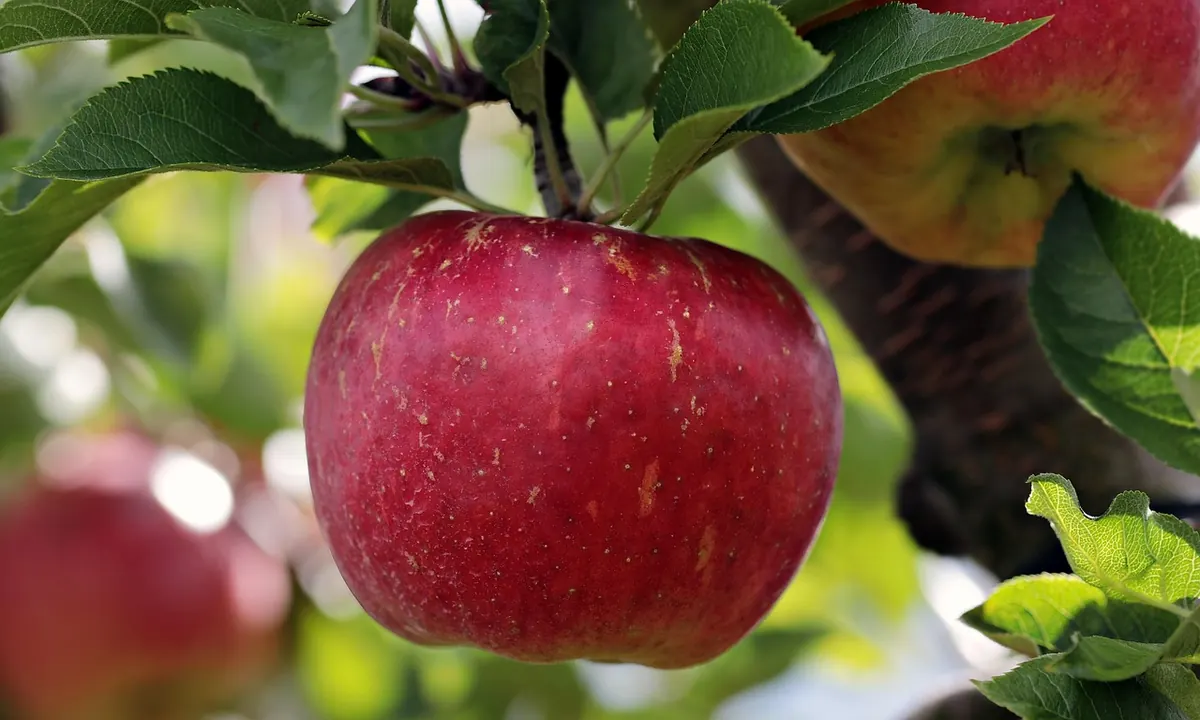
Growing Fruit Trees in Pots: A UK Patio Guide
October 10, 2026 - Gardening Tips

October 10, 2026 - Gardening Tips
October 07, 2026 - Varieties
Autumn is the quietest opportunity you get to shape next year's crop. Once the last apples are picked and the leaves begin to yellow, the jobs you do in October and November decide how much scab, canker and codling moth you meet next July. None of it is difficult. Most of it is raking, barrowing and ten minutes with a sharpening stone. Work through the ten jobs below in roughly this order and your trees will go into winter clean, fed and ready to start again.
Fallen leaves are the single most useful thing you can remove. Apple scab and several other fungal problems overwinter in leaf litter on the ground, then release spores back up into the canopy in spring. Rake them up, or run the mower over the grass with the box on, and the disease pressure next year drops noticeably.
Only healthy leaves make good leaf mould. If your trees had scab, black spot or canker this season, bag those leaves and put them out with the council green waste rather than adding them to your compost heap, which rarely gets hot enough to kill the spores. Clean leaves can go into a bin liner with a few holes punched in it and left for a year or two to rot into crumbly leaf mould.
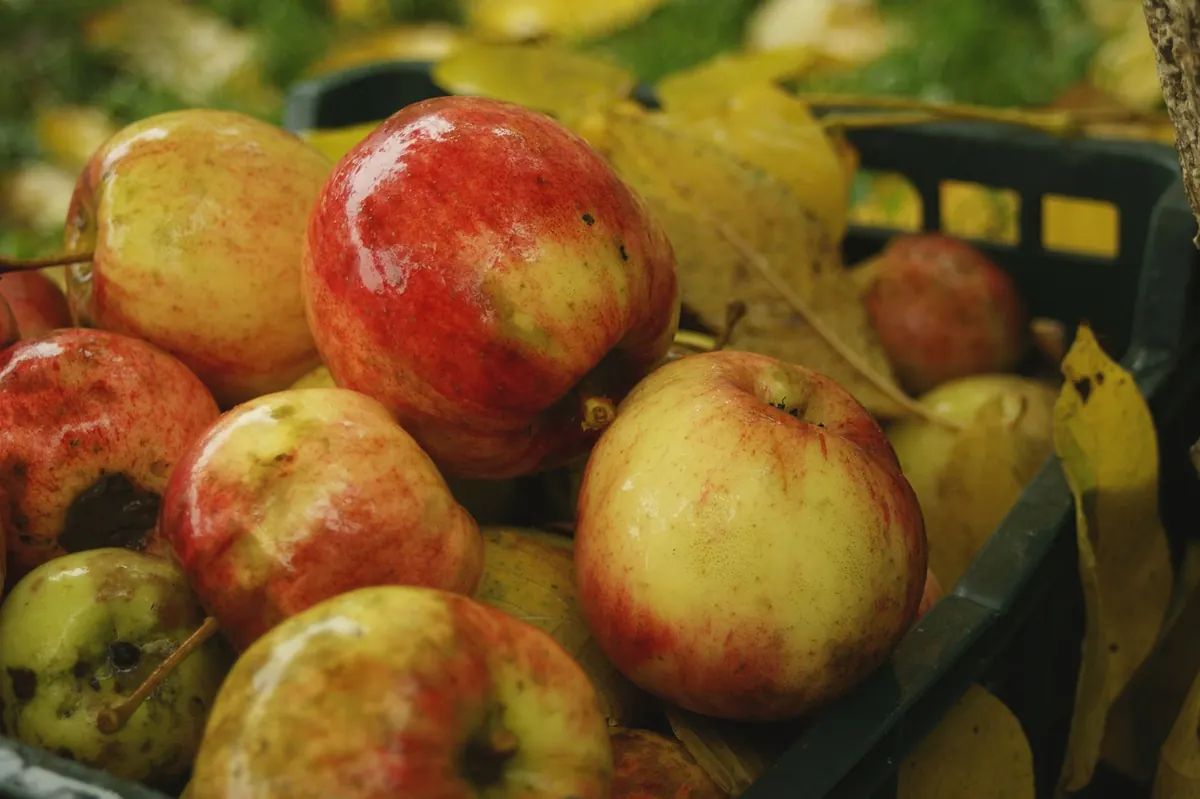
While you are down there, pick up any fruit still hanging or lying about. Mummified fruitlets left on the tree are a favourite overwintering spot for brown rot, and rotting windfalls on the ground keep wasps and codling moth larvae close to home.
Mulching is the closest thing to cheating in an orchard. A generous layer of well-rotted manure, garden compost or bark mulch suppresses weeds, holds moisture and slowly feeds the soil life that feeds the tree. Timing matters more than most people assume: mulch onto dry soil in a dry autumn and you seal the moisture out. Wait for a decent spell of rain, then spread.
Aim for a layer about 5–8cm deep, spread from the edge of the canopy inwards, stopping about 10cm short of the trunk. Piling mulch against the bark traps damp and invites rot, and burying the graft union can encourage the scion to root and change how the tree grows. If you are using grass clippings, keep them thin — an inch at a time — or they will mat down and go sour. Clear weeds and old grass growth first, or you are simply feeding them.
Autumn rain usually does the job, but not always. Newly planted trees, container-grown figs and anything trained against a warm wall have roots in a small volume of soil and dry out fast. A dry October can leave them going into winter short of water, which is more damaging than a dry week in June.
Water slowly and deeply rather than little and often: a couple of full watering cans tipped into a ring around the trunk, repeated until the soil is damp 20cm down. Test with your finger or a trowel before you start, and again the next day. On heavy clay, check you are not creating a sump — if water still sits in the planting hole after an hour, stop and let it drain. Mulch afterwards to lock the moisture in.
Walk the orchard with a notebook rather than trusting your memory. Ten minutes now saves guesswork in spring.
Autumn pruning is mostly about tidying: dead wood out, broken branches off, and any canker cut back into clean, healthy growth. Cut well beyond the visible damage, and wipe your blades with methylated spirit or a garden disinfectant between trees so you are not carrying the problem around the plot.
Resist the urge to do the big structural work now. Apples and pears are best pruned in winter while they are dormant, and plum, cherry, apricot and peach should be left until late spring or summer. Pruning stone fruit in autumn or winter leaves open wounds that silver leaf fungus can colonise. If a stone fruit branch is genuinely dangerous, cut it and accept the small risk rather than leaving it hanging over a path.
Secateurs that cut cleanly do less damage, and clean tools do not spread disease. Scrub sap, grit and rust off the blades with warm soapy water and a wire brush, dry them properly, then sharpen the bevelled side with a diamond file or stone at roughly the angle it was made. A light wipe of oil afterwards keeps rust at bay over winter.
Deal with the rest of the kit while you are at it. Check the mower before you put it away, drain and store the hose indoors, wash out the sprayer if you have used one, and give wooden handles a rub of linseed oil. Hang everything in a dry shed rather than leaving it in a bucket on the floor, and write down what needs replacing before the bare-root season begins.
Sequence saves effort: rake the ground first or you will drag mulch about; check for pests before you band and guard; prune before you clean tools, not after; mulch last, once rain has softened the ground. Roofed against a wet week, the ten jobs run like this:
Stay off wet soil while you work — walking on it compacts what you have just spent the morning improving. If you get through five of these before the light goes, that is a good autumn. The rest will keep for a dry, frost-free morning.
Photo: Jelena Kazak / Pexels
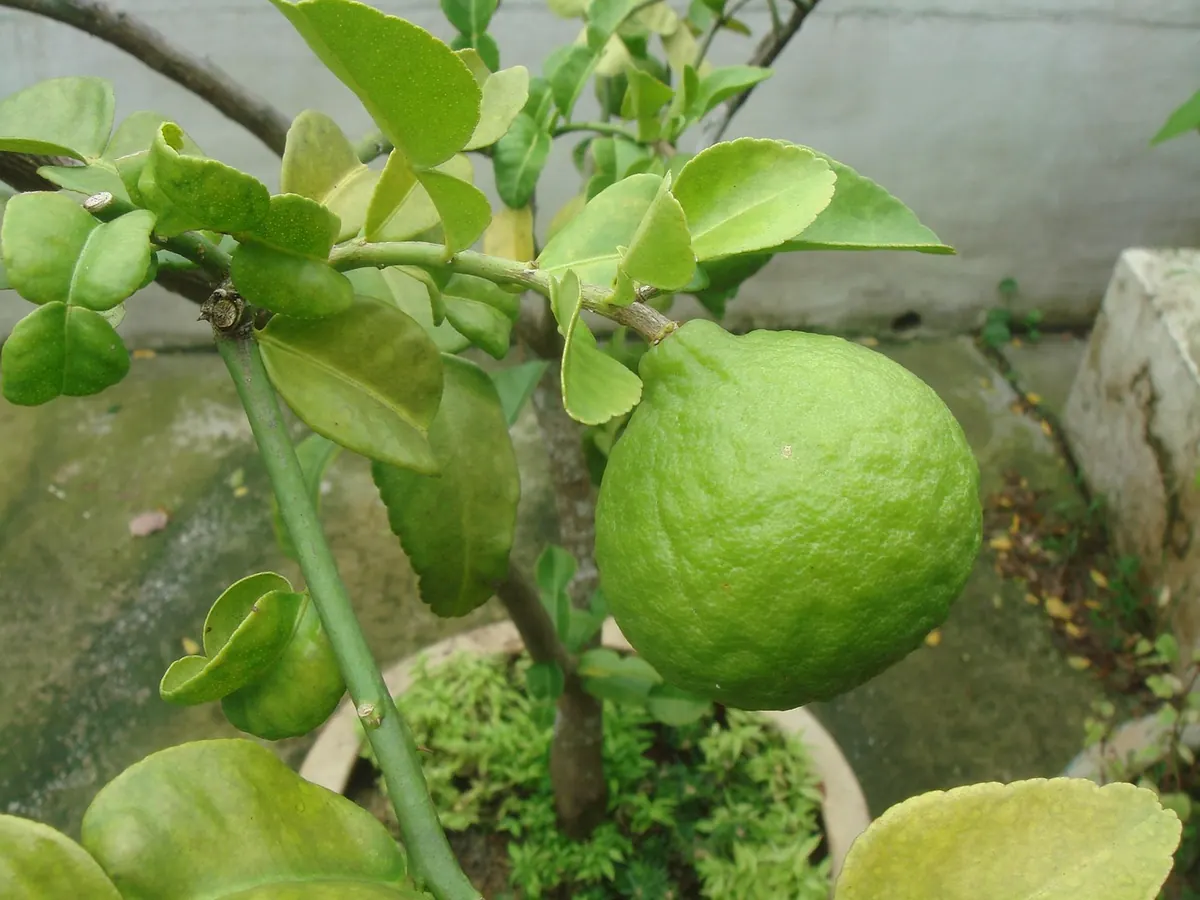
Dwarf rootstocks, the right pot and steady watering turn a small patio into a productive orchard. Here is how to...
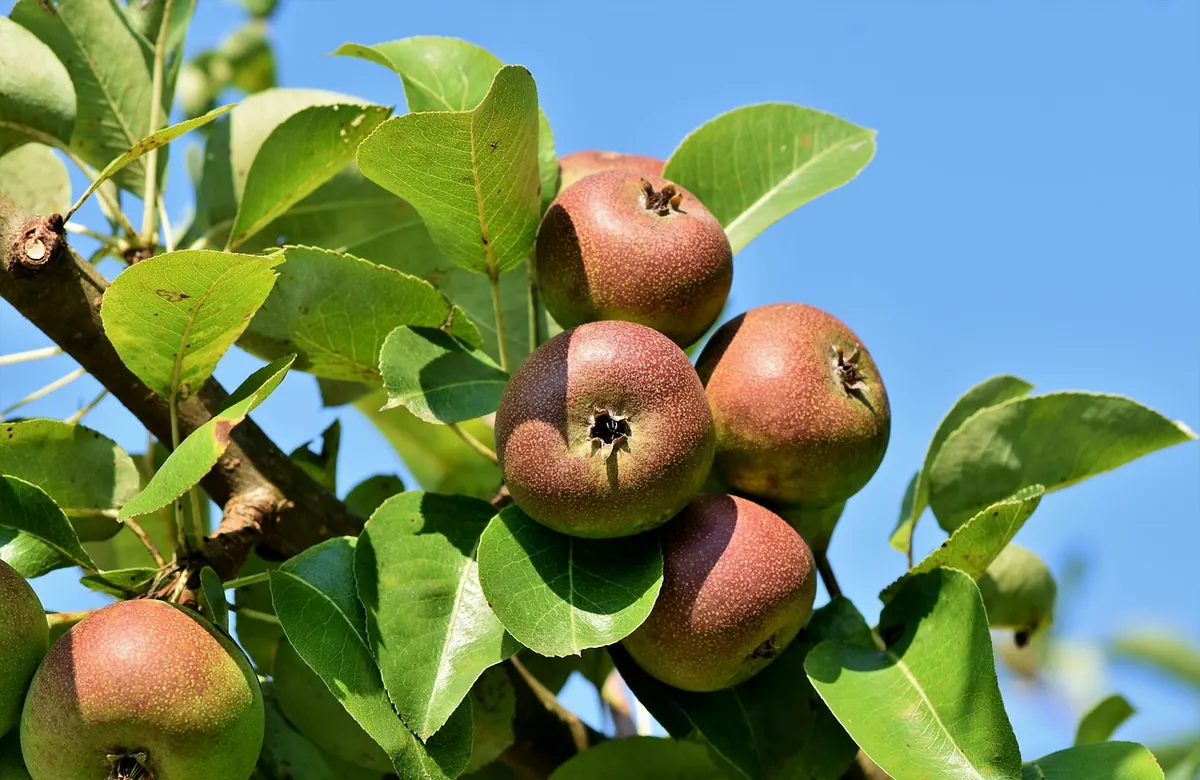
Reliable apple varieties for UK orchards that resist scab, mildew and canker, so you can spray less and still pick...
October 10, 2026 - Gardening Tips
October 07, 2026 - Varieties
Copyright © 2026 Orchard Zone. All Right Reserved.