Growing Fruit Trees in Pots: A UK Patio Guide
October 10, 2026 - Gardening Tips

October 10, 2026 - Gardening Tips
October 07, 2026 - Varieties
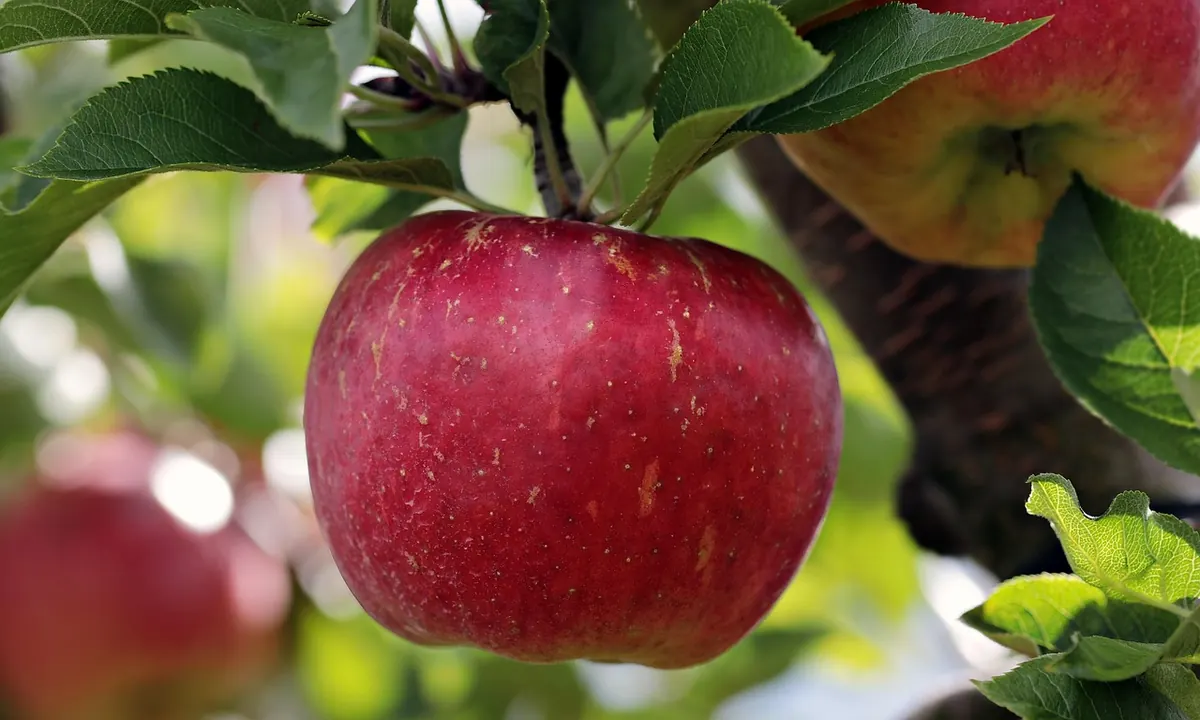
No apple tree is completely free of disease, but the gap between a well-chosen variety and a poor one is enormous. Plant a scab-magnet like Cox in a damp western valley and you will be spraying from bud burst to August. Plant a resistant sort in the same spot and you may never need to spray at all beyond a little winter tidying.
The varieties below are the ones that consistently ask least of a UK grower: heritage apples that have shrugged off scab for a century, and modern sorts bred specifically for low-spray and organic systems. Resistance is relative, and it depends on your site, so there is a section on matching tree to plot as well.
Scab is the main enemy. It shows as olive-green blotches on the leaves in May, then corky brown scabs and cracks on the fruit by late summer. Powdery mildew coats shoot tips in white felt and weakens young trees. Canker kills bark in sunken, ringed patches, usually around pruning cuts and old fruiting spurs. Fireblight turns up mainly in the warmer, drier east and looks like scorched, blackened shoot tips.
Scab is the disease that responds most to variety choice, which is why so much breeding work has targeted it. One caution before you buy: many resistant apples carry a single gene borrowed from Malus floribunda, often listed as Vf. New scab strains have already got round it in parts of continental Europe where infection pressure is high. Think of resistance as a large reduction in risk, not a guarantee.
Russets and thick-skinned old varieties are less easily penetrated, and even infected fruit usually stays edible.
These apples were selected for exactly the situation most gardeners face: no spray programme, variable weather and a small tree. Flavour has improved a great deal since the first generation.
Breeding at East Malling and elsewhere has produced several varieties that suit our climate well. Meridian resists scab and mildew, crops generously and tastes like a good Cox, though the fruit does not keep long. Saturn is equally tough and extremely productive, with small red fruit better for juice and cooking than for eating. Falstaff gives Cox-like flavour on a tree that rarely suffers badly from scab, but crops so heavily that you must thin it. Suntan has some of the best flavour of any Cox relative and shrugs off scab, though it is a triploid: it needs a partner to pollinate it and will not pollinate anything else.
Bountiful is one of the best garden cookers: scab-resistant, heavy-cropping and happy on most soils. Lane's Prince Albert is a Victorian favourite that copes with heavy clay and wet ground better than most. Golden Noble and Edward VII both crop well with little trouble. Bramley is reasonably resistant to scab but cankers badly on wet sites, so plant it only where air moves freely.
Pollination still matters. Most varieties flower in groups 2 to 4; pair something from an adjacent group and check that neither is a triploid. In a built-up area there are usually enough neighbouring trees within a few hundred metres to do the job.
Resistance buys you margin, not immunity. A few habits keep the advantage on your side:
If you do decide to spray, a sulphur or potassium bicarbonate programme from bud burst to early summer is the usual low-toxicity approach for scab and mildew, and it works far better on a resistant variety than a susceptible one. Follow the product label exactly, and never spray while bees are working the blossom.
Start with one or two of the varieties above, plant them well, and judge them after three or four seasons on your own ground. That is the only trial that really counts.
Photo: Ralphs_Fotos / Pixabay
Dwarf rootstocks, the right pot and steady watering turn a small patio into a productive orchard. Here is how to...

Netting, sacrificial fruit, wasp traps and prompt picking: a practical guide to protecting ripening orchard crops...
October 10, 2026 - Gardening Tips
October 07, 2026 - Varieties
Copyright © 2026 Orchard Zone. All Right Reserved.