Growing Fruit Trees in Pots: A UK Patio Guide
October 10, 2026 - Gardening Tips

October 10, 2026 - Gardening Tips
October 07, 2026 - Varieties
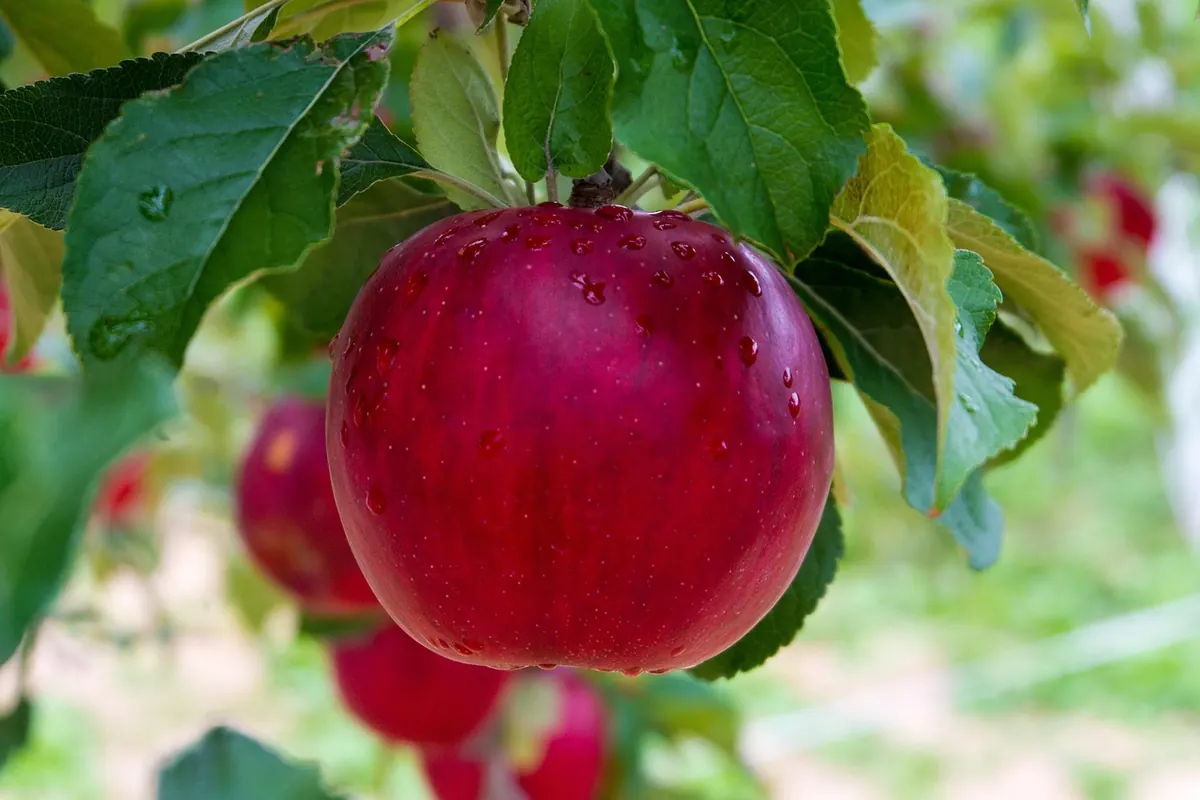
There is a moment in late summer when an apple comes away in your hand with almost no effort at all — a gentle lift, the smallest twist, and it is free, stalk intact. That is the tree telling you the fruit is ready. Learning to read the other signs, from colour to pips to that first bite, means you pick apples at their sweetest rather than a fortnight early or a week too late.
There is no single apple season in the UK. Early varieties such as Discovery, Beauty of Bath and George Cave can be ready from late July into August. Mid-season apples — Cox's Orange Pippin, Egremont Russet, Worcester Pearmain and Sunset — usually fall between early September and mid-October. The keepers arrive last: Bramley's Seedling, Ashmead's Kernel, Spartan, Orleans Reinette and D'Arcy Spice are picked from October into November and will store for months.
Within those rough windows, expect shifts of two or three weeks. A tree against a sunny south-facing wall ripens well ahead of the same variety in an exposed, north-facing corner. A light crop ripens faster than a heavy one, because the tree has fewer apples to fill. A dry, bright summer brings things forward; a cool, wet one holds them back. Judge the tree in front of you, not the calendar.
Colour is the most obvious clue and the easiest to misread. The red blush on an apple can develop weeks before the fruit is ripe, so ignore it on its own. What matters is the background colour — the ground colour of the skin in the shaded area beside the stalk. On a ripening apple this shifts from a firm, dark green to a paler, yellower green, and eventually to creamy yellow or ivory.
Check an apple in the middle of the tree rather than the reddest one on the sunniest branch. Some varieties keep a green tinge even when ready, and Bramley in particular moves from deep green to a lighter, slightly yellowed green rather than turning fully yellow. If the background colour is still a flat, dark green, wait.
This is the most reliable hands-on check, and it takes seconds. Cup an apple in your palm, lift it slightly and twist. A ripe apple parts cleanly from the spur with the stalk still attached; an unripe one clings on, needs a tug, and may tear the spur or bring a cluster of leaves with it. Work through a few apples on different sides of the tree before you commit to picking.
Pick in the morning while the fruit is cool and dry, and handle each apple as though it were an egg. Bruises do not show immediately, but they shorten storage life dramatically.
A sharp knife tells you a lot. Slice a sample apple through the middle and look at the pips: on most varieties they turn dark brown to near-black as the fruit ripens, while immature pips stay pale cream or light brown. The flesh should look creamy and juicy rather than dry and pale, and the core should not be green.
If you like being precise, there is an old orchard trick using iodine. Brush a little onto a freshly cut face of apple: a strong blue-black reaction means plenty of starch is still present, so the fruit is underripe, while a ripe apple shows little or no staining. It is not essential, but it is a useful check if you are picking a large crop and want to get the timing exactly right.
Nothing settles the question like eating one. A ripe apple is sweet but not cloying, with enough acidity to taste lively, and plenty of juice. An underripe apple is sharp, green-tasting and slightly mouth-drying, and the flesh feels hard and starchy against the teeth.
Some varieties improve out of all recognition after a week or two off the tree. Cox's Orange Pippin, Egremont Russet and Ashmead's Kernel all develop their full, nutty, aromatic flavour in store rather than on the branch. Early apples such as Discovery are the opposite: eat them straight from the tree, because they go soft and bland within days.
A scattering of clean windfalls under the tree usually means the crop is ripening, as the fruit swells and the stalk begins to loosen. Wasps, birds and the occasional squirrel arriving in numbers is another hint that sugar levels are climbing.
Do not rely on windfalls alone, though. Apples with codling moth tunnels, brown rot or wasp damage drop early and tell you nothing about the rest of the crop. A sudden heavy drop after a dry spell or a windy night is usually stress, not ripeness. Pick the sound fruit from the tree and use the damaged ones straight away — windfalls should never go into store. Note that any apples you pick and store should be sound; a single rotting fruit can spoil a whole tray.
Rather than stripping a tree in one session, go over it two or three times. Early varieties are picked and eaten within days; mid-season apples keep for a few weeks; late varieties will last for months if handled well. For long storage, choose unblemished fruit with the stalk intact, wrap each apple in newspaper or set them in single layers in trays, and keep them somewhere cool, dark and slightly humid — an unheated garage or shed is ideal, though a temperature of around 2–4°C is better still.
Check the trays every week or so and remove anything going soft or mouldy. Keep apples away from strongly scented produce and from potatoes, and do not store bruised fruit in the hope it will come good. Get the crop in before hard frosts arrive, and be prepared to bring a late hanging variety such as Bramley indoors if a cold snap is forecast.
Start by tasting a single apple from the middle of the tree. If it is close, try the lift and twist test on a handful more, then cut one open to check the pips. Pick the ripest first, working from the outside of the canopy inwards, and keep a bucket for damaged fruit so it does not sit among the keepers. Repeat every few days until the tree is clear. Done this way, harvesting becomes less of a single frantic afternoon and more of a quiet, rewarding routine that stretches the crop out for weeks.
Photo: fumrin / Pixabay
Dwarf rootstocks, the right pot and steady watering turn a small patio into a productive orchard. Here is how to...
Reliable apple varieties for UK orchards that resist scab, mildew and canker, so you can spray less and still pick...
October 10, 2026 - Gardening Tips
October 07, 2026 - Varieties
Copyright © 2026 Orchard Zone. All Right Reserved.